
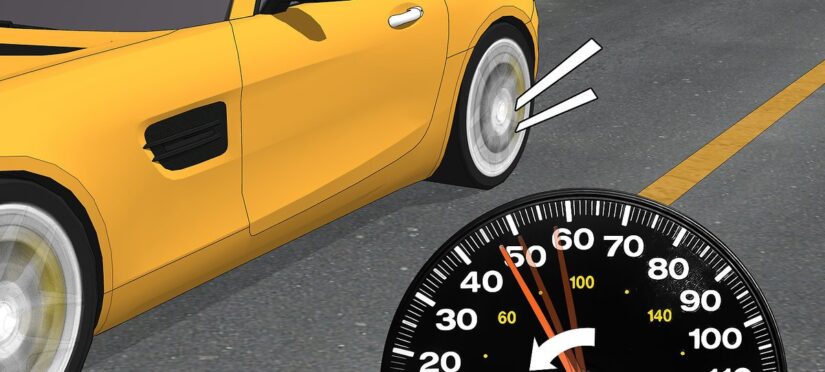
When most people think about safe driving, they automatically assume that driving slowly is always the best option. While caution is essential, consistently driving too slowly, especially under normal road conditions, can actually be harmful to your vehicle and, in some cases, unsafe for other road users.
At Big Deal Driving School, we emphasise correct driving in line with global best practices. Understanding how your car is designed to operate is key to maintaining both safety and performance.
Understanding How Your Engine Works
Modern vehicle engines are designed to operate efficiently within a specific range of revolutions per minute, known as the optimal operating zone.
When you consistently drive at very low speeds, your engine is forced to remain in a low RPM state for extended periods, which can lead to:
- Incomplete fuel combustion
- Carbon build-up in the engine
- Reduced engine efficiency over time
Globally, automotive engineers design engines to perform best when they are allowed to operate within their recommended RPM range, not constantly below it.
The Problem with Constant Low-Speed Driving
In many Nigerian cities, especially with traffic congestion in places like Lagos, Abuja, and Kano, drivers often get used to moving slowly. While this may be unavoidable in traffic, intentionally driving too slowly on open roads creates several issues:
1. Engine Carbon Build-Up
Driving at low RPM for long periods can cause carbon deposits to accumulate in the combustion chamber. Over time, this affects engine performance and fuel economy.
2. Poor Fuel Efficiency
Contrary to popular belief, excessively slow driving does not always save fuel. Engines running below their optimal range may consume fuel inefficiently.
3. Increased Wear and Tear
Your engine, transmission, and exhaust system are all designed to work within a balanced system. Operating outside that balance can lead to premature mechanical wear.
4. Road Safety Risks
Driving significantly below the expected speed of traffic can disrupt traffic flow and increase the risk of rear-end collisions, especially on highways.
What Global Driving Standards Recommend
According to internationally recognised driving guidelines, including principles from the Highway Code and defensive driving systems:
- Drivers should maintain a speed that is safe, reasonable, and consistent with traffic flow
- Vehicles should be driven in a manner that does not obstruct other road users unnecessarily
- Proper gear selection should ensure the engine operates within its optimal efficiency range
This means that safe driving is about driving appropriately for the situation.
The Right Way to Drive
So, what should you do instead?
1. Match Your Speed to Road Conditions
Drive at a speed that aligns with traffic flow, road conditions, and legal limits, not unnecessarily below them.
2. Use the Correct Gear
Ensure your gear selection matches your speed. Driving in a high gear at very low speeds puts unnecessary strain on your engine.
3. Allow Your Engine to Breathe
Occasionally driving at moderate speeds within legal limits helps your engine burn fuel more completely and stay clean.
4. Avoid Over-Caution Driving
Being overly cautious can sometimes be just as dangerous as being reckless. Balance is essential.
Driving Smart: The Big Deal Approach
At Big Deal Driving School, we train drivers to understand how to drive, and also how cars work. This knowledge empowers you to:
- Extend the lifespan of your vehicle
- Improve fuel efficiency
- Drive confidently and safely in any condition
Driving is is a system of knowledge, awareness, and proper technique.
Final Thoughts
Driving too slowly all the time might seem safe, but in reality, it can lead to mechanical issues and road hazards. The goal is not simply to drive slow, it is to drive correctly.
By understanding your vehicle and following globally accepted driving standards, you can achieve the perfect balance between safety, efficiency, and performance.