
By Big Deal Driving School
Road signs are everywhere, yet many drivers only truly notice them when preparing for a driving test. After that, it is easy to fall into the habit of driving on autopilot—recognizing shapes and colors without really thinking about what they mean.
But imagine this: you are driving on a busy road, maybe running a little late, and you suddenly approach a junction. You see a sign, hesitate for a second, and then realize too late that you misread it. That one small moment can lead to confusion, a near miss, or even an accident.
At Big Deal Driving School, we teach that road signs are not just symbols—they are quick instructions that help you make the right decision at the right time.
Road signs are generally grouped into three main types: regulatory signs, warning signs, and informational signs. Once you understand how each group works, driving becomes a lot more predictable and less stressful.
Regulatory Signs
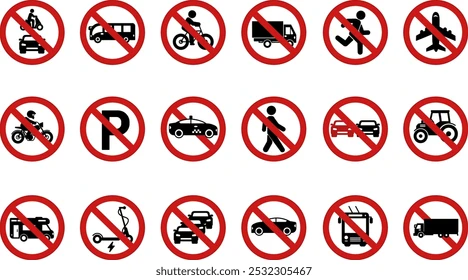
Regulatory signs are the rules you are expected to follow every single time you are on the road. Think of them as the law in visual form.
For example, picture approaching a quiet intersection early in the morning. No cars seem to be coming, and it feels tempting to just slow down and keep moving. Then you see the Stop sign. Many drivers roll through in that situation, but that habit can be dangerous. Someone else might be approaching faster than you think.
The same goes for signs like No Entry, No U-Turn, and Speed Limit. You might feel like making a quick U-turn will save time, or driving a little above the speed limit will get you to your destination faster. But these signs are there because something about that road makes those actions risky.
A good driver does not negotiate with these signs—they follow them.
Warning Signs
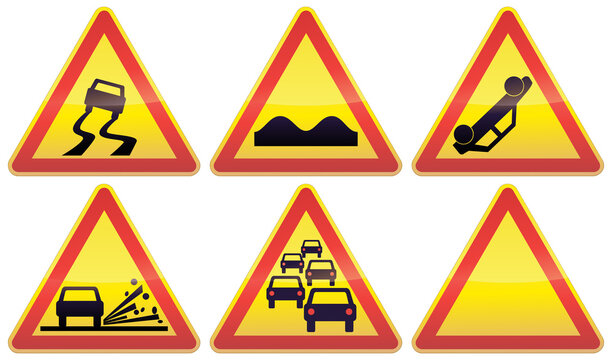
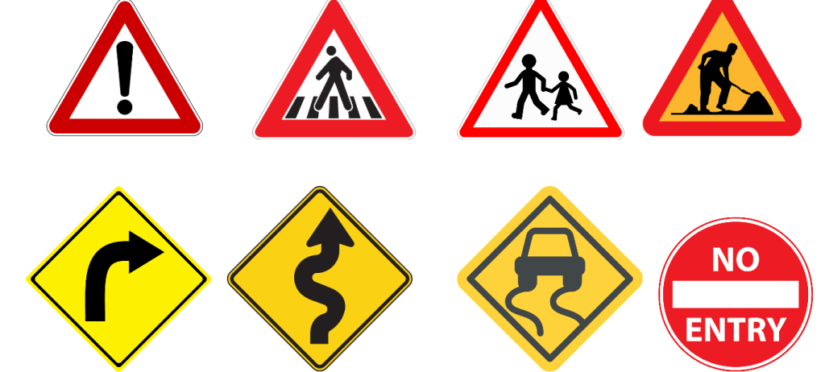
Warning signs are like early alerts. They prepare you for something ahead before you actually see it.
Imagine driving during the rainy season. The road looks normal, but then you notice a Slippery Road sign. That is your cue to slow down, even if everything seems fine. Without that adjustment, your car could lose grip when you least expect it.
Or think about a Sharp Bend Ahead sign. If you ignore it and maintain your speed, you may find yourself struggling to control the vehicle when the curve suddenly appears.
Signs like Pedestrian Crossing are especially important in busy areas. People may step onto the road without warning—especially children or in crowded places. That sign is telling you to stay alert, not just slow down.
Informational Signs
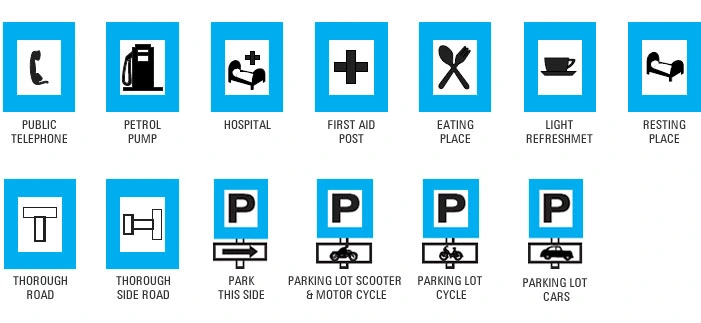
Informational signs make driving easier and more convenient. They guide you and help you understand your environment.
For instance, you are in an unfamiliar area and need fuel. Seeing a Fuel Station sign ahead immediately reduces stress because you know help is nearby. The same applies to signs like Hospital Ahead, Parking Area, or One Way.
A One Way sign, in particular, can save you from serious trouble. Driving against traffic, even by mistake, can create a dangerous situation very quickly. That simple sign helps keep traffic flowing smoothly and safely.
These signs may not feel urgent, but they play a big role in making your journey smoother and more organized.
Understanding road signs is not about memorizing them once and forgetting them later. It is about building the habit of noticing, interpreting, and reacting correctly every time you drive.
At Big Deal Driving School, we train our students to connect what they see on the road with real-life situations. That way, you are not just recognizing a sign—you understand what it means for your next move.
Driving becomes much easier when you stop guessing and start understanding.